Hyperpigmentation is one of the most common skin concerns worldwide, especially among individuals with darker skin tones. Conditions like post-inflammatory hyperpigmentation (PIH), melasma, and sun spots occur when our cells called melanocytes, which produce pigment, produce too much melanin. Skincare treatments have focused mainly on ingredients that directly block melanin production, known as “tyrosinase inhibitors.” These ingredients include hydroquinone, kojic acid, and arbutin. But skincare ingredients known as peptides are making their way into modern skincare. The question is: can peptides actually help treat hyperpigmentation?
What are peptides?
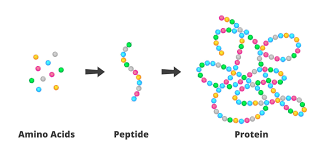
Peptides are short chains of amino acids. Amino acids, from your biology class, you may have learned them as the “building blocks of life,” since they ultimately form proteins. In skincare formulations, peptides are often designed to stimulate collagen production or regulate inflammation. While many peptides are marketed for anti-aging purposes, some have been studied for their potential effects on pigmentation pathways.
Unlike traditional hyperpigmentation treatments that directly inhibit the enzyme tyrosinase—the key enzyme involved in melanin synthesis—many peptides work further upstream in the pigmentation process. Certain peptides can influence how melanocytes respond to inflammatory signals or regulate the transfer of melanin from melanocytes to surrounding skin cells. This indirect approach may help explain why peptides are being explored as gentler alternatives to harsher depigmenting agents.
One peptide that has attracted attention in dermatology is decapeptide-12, which has been studied for its ability to interfere with tyrosinase activity and reduce pigment formation. Another example is oligopeptide-68, which is thought to target signaling pathways involved in melanocyte stimulation.
This new group of ingredients could be quite useful for people with darker skin. Darker skin tends to have longer-lasting dark spots, and strong treatments can sometimes cause irritation that makes the discoloration even worse. Since inflammation is a big reason for post-inflammatory hyperpigmentation (PIH), products that don’t irritate the skin but still control pigment production little by little are usually the best choice. Because peptides usually copy natural molecules in the body, they might be less irritating than older bleaching ingredients.
Still, don’t expect too much too soon. There isn’t as much proof from people testing peptides for dark spots compared to well-known treatments like hydroquinone or azelaic acid. Lots of peptide ingredients are backed by small studies or lab research, instead of big trials with many people. Also, peptides are complicated molecules. They need to stay stable and soak into the skin well to actually do anything. How a product is made really changes this.
Takeaway
Really, it’s best to see peptides as supporting ingredients, not total cures for dark spots. They might help control how pigment is made, help skin heal, and lower inflammation. But, they usually work best when you mix them with proven treatments and protect your skin from the sun.
As skin research keeps searching for new ways to target melanocyte signaling, peptides are a curious area to watch. They probably won’t replace older dark spot treatments anytime soon, but they might eventually be part of a more detailed plan, especially for users who want gentler, longer-lasting ways to handle uneven skin.
References
hen, Jian, et al. “Enhanced Skin Retention and Permeation of a Novel Peptide via Structural Modification, Chemical Enhancement, and Microneedles.” International Journal of Pharmaceutics, vol. 606, 2021, 120868, https://doi.org/10.1016/j.ijpharm.2021.120868.
Pintea, Andrada, et al. “Peptides: Emerging Candidates for the Prevention and Treatment of Skin Senescence: A Review.” Biomolecules, vol. 15, no. 1, 9 Jan. 2025, p. 88, https://doi.org/10.3390/biom15010088.
“Peptides vs Proteins: What’s the Difference?” Bachem, 20 June 2024, www.bachem.com/articles/blog/peptides-vs-proteins-whats-the-difference/.